

Mauris blandit aliquet elit, eget tincidunt nibh pulvinar a. Donec sollicitudin molestie malesuada. Curabitur arcu erat, accumsan id imperdiet et, porttitor at sem. Donec sollicitudin molestie malesuada. Cras ultricies ligula sed magna dictum porta. Quisque velit nisi, pretium ut lacinia in, elementum id enim. Donec rutrum congue leo eget malesuada. Cras ultricies ligula sed magna dictum porta.
what makes us different
Water Saving: Water and fertilizer are delivered directly to the root zone, reducing surface evaporation and deep percolation. This saves 30%-50% more water compared to traditional furrow irrigation.Fertilizer
Saving: Nutrients act directly on the root system, with minimal loss or volatilization. The fertilizer use efficiency can reach 70%-90%, saving 30%-50% more fertilizer than traditional broadcasting.
The labor-intensive tasks such as furrowing, fertilizer spreading and soil covering are simplified to the operation of "turning on the valve". A single person can manage fertilizer application in a large area, saving more than 70% of labor.
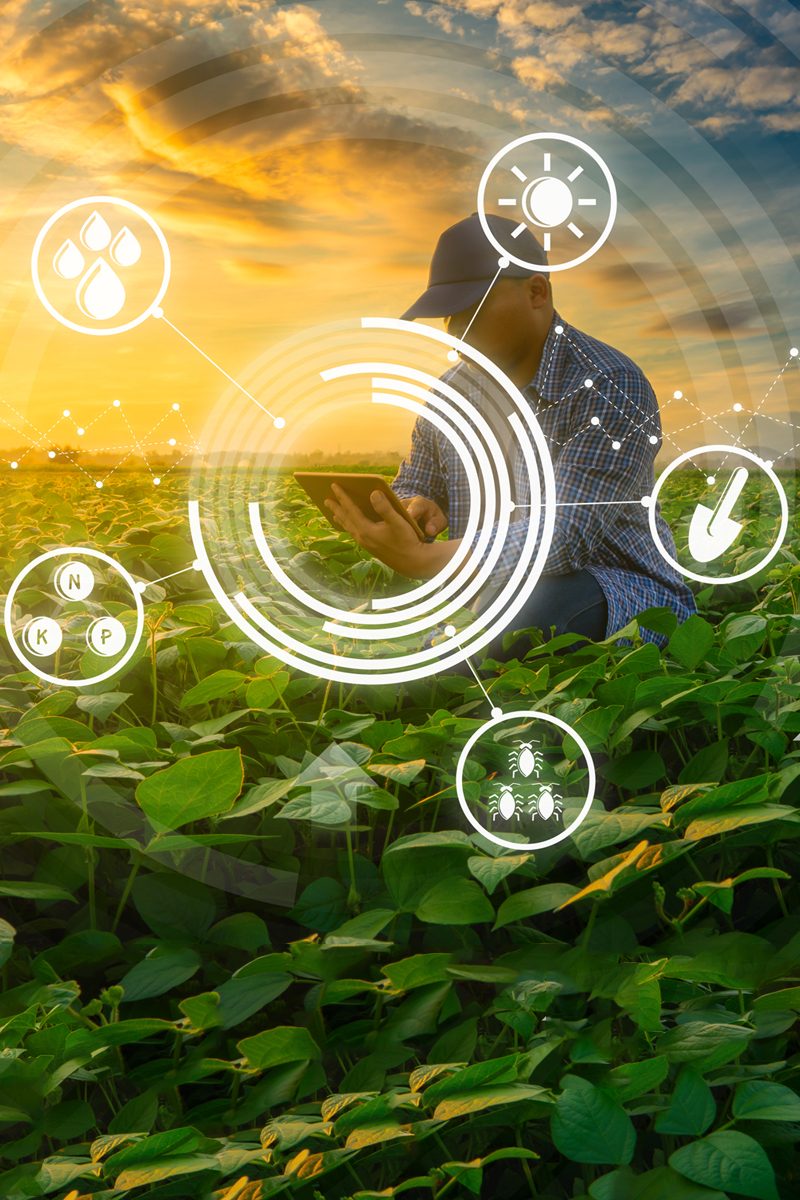
Crops remain in the optimal state of "being well-nourished and hydrated" at all times, resulting in robust growth and strong stress resistance.
It enables precise regulation of nutrients, promoting uniform fruit enlargement, sugar accumulation, and color development. This significantly enhances both the external appearance and internal quality of agricultural products.
Fertilizer formulas and application rates can be adjusted flexibly and quickly according to the fertilizer demand characteristics of crops at different growth stages, realizing "fertilization on demand".
Combined with sensors and automated control systems, it is possible to automatically adjust fertilization plans based on environmental factors such as light and temperature.
Lorem ipsum dolor sit amet, consectetur adipiscing elit. Ut elit tellus, luctus nec ullamcorper mattis, pulvinar dapibus leo.
Water is directly channeled into the fields, allowing it to flow freely and saturate the soil. Flood irrigation is simple to implement and cost-effective, but it leads to significant water waste and can cause soil compaction and nutrient loss. This method is suitable for areas with abundant water sources, flat terrain, and soils with strong water and nutrient retention capabilities, such as rice paddies.
This method uses sprinklers to disperse water into fine droplets, evenly distributing it over crop surfaces and soil. It conserves water, improves water use efficiency, and enhances the microclimate in the field by regulating air humidity and temperature. It is suitable for a variety of crops, such as wheat, corn, vegetables, and fruit trees. However, the initial investment in sprinkler irrigation equipment is relatively high, and it is significantly affected by wind—irrigation uniformity may decrease during windy conditions.
This method uses drippers to slowly and uniformly deliver water directly to the soil near the plant roots, maintaining optimal soil moisture. Drip irrigation maximizes water conservation by reducing evaporation and seepage, improves fertilizer efficiency, and helps prevent soil compaction. It is particularly suitable for arid regions, protected agriculture (such as greenhouses), and the cultivation of high-value crops like fruit trees and vegetables. Although the initial investment in a drip irrigation system is relatively high, its operational costs are lower, and it enables precise irrigation control.
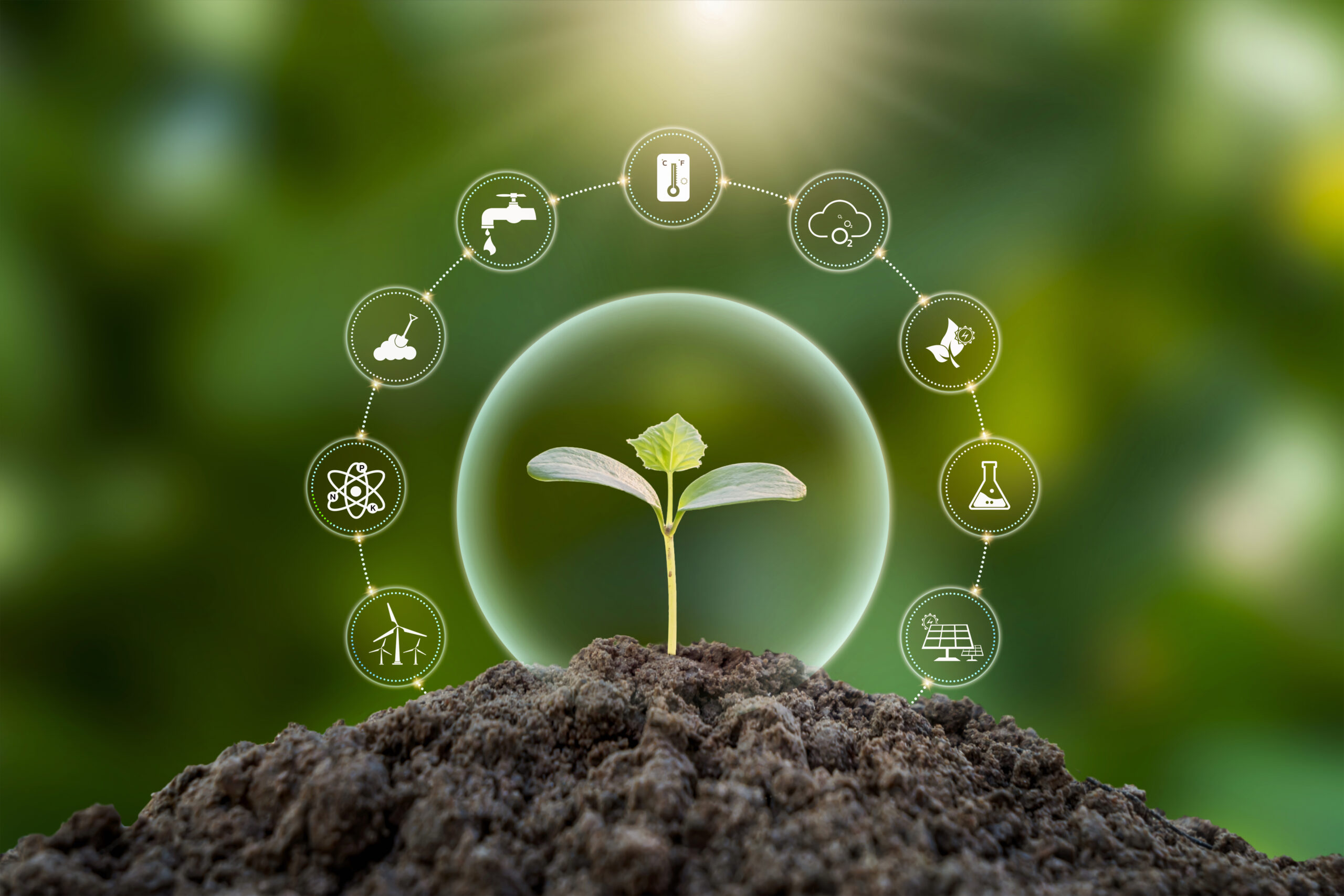
The primary challenge faced by open field farmers in ensuring product quality and production efficiency is managing the unpredictability of weather conditions and environmental factors. Farmers must contend with varying rainfall, temperature fluctuations, and extreme weather events, which can significantly impact crop yield and quality. They must also implement sustainable practices to manage soil health, water usage, and pest control while minimizing costs.
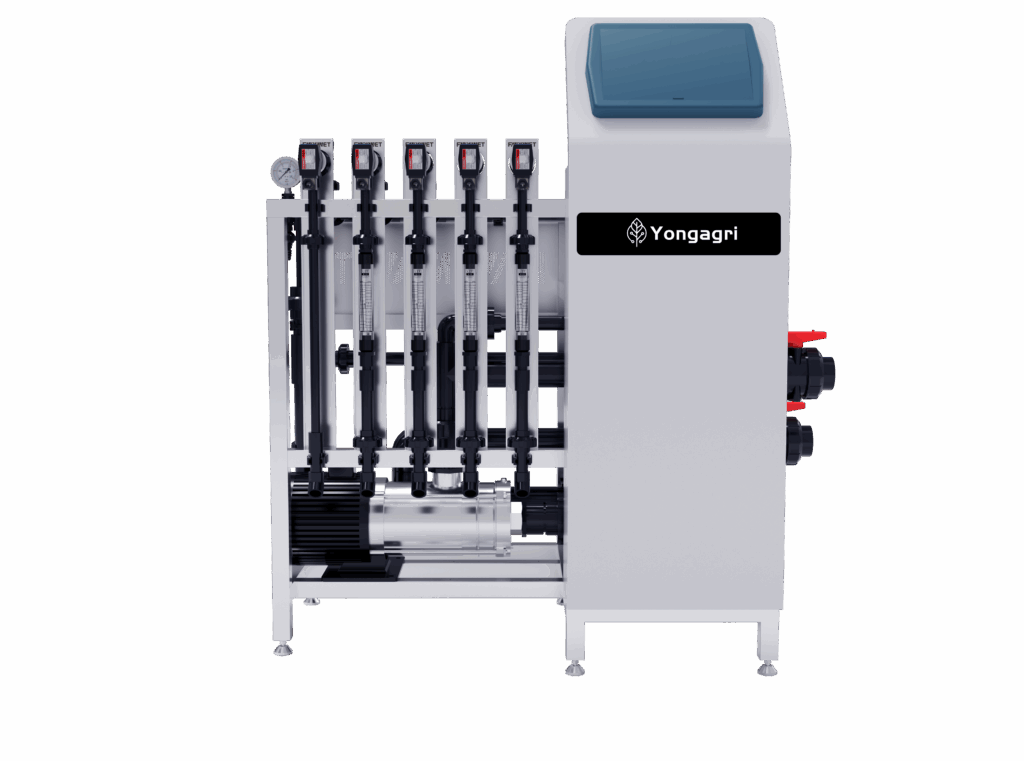
Fully configurable and highly cost-effective fertilizer/acid dosing unit,including the new intuitive and simple-to-use GrowSphereT™ Max controller
Fully configurable and highly cost-effective fertilizer/acid dosing unit,including the new intuitive and simple-to-use GrowSphereT™ Max controller
Fully configurable and highly cost-effective fertilizer/acid dosing unit,including the new intuitive and simple-to-use GrowSphereT™ Max controller
Fully configurable and highly cost-effective fertilizer/acid dosing unit,including the new intuitive and simple-to-use GrowSphereT™ Max controller

Lorem ipsum dolor sit amet, consectetur adipiscing elit. Ut elit tellus, luctus nec ullamcorper mattis, pulvinar dapibus leo.